27000+
Happy Couples


Backed by Senior Fertility Consultants & Clinical Experts



Yashoda IVF & Fertility Centre is recognized as the Best IVF Fertility Centre in Maharashtra and a leading Best Fertility Hospital in Mumbai, offering advanced and reliable IVF Treatment in Maharashtra. Founded with a singular mission to make parenthood accessible, affordable, and achievable, we have grown into a network of 13+ state-of-the-art centres, proudly serving over 27,000 families.
Our team of experienced fertility specialists, embryologists, and dedicated support staff combines decades of clinical expertise with genuine compassion. Every patient who walks through our doors is treated not just as a case, but as a dream we are honoured to nurture.
27000+
Happy Couples
20+
Years Of Experience

13+
Centres In Maharashtra

80%
Success Rate

27000+
Babies Delivered

27000+
Cycles Done

Awards

Easy EMI
Offers
Personalized fertility treatments designed to support you at every step of your parenthood journey.
In Vitro Fertilization our most advanced procedure with Maharashtra's highest success rates.
Learn moreIntracytoplasmic Sperm Injection ideal for male factor infertility with targeted fertilization.
Learn moreIntrauterine Insemination a gentle, minimally invasive first-line fertility treatment.
Learn morePreserve your fertility and keep your options open on your timeline, your terms.
Learn morePreimplantation Genetic Testing for healthier embryos and reduced risk of chromosomal conditions.
Learn moreCompassionate, legally guided surrogacy programmes for couples who need a gestational carrier.
Learn moreWhy Choose Us
To get started, you can Contact Yashoda IVF or use our Yashoda IVF appointment booking system for expert guidance today.
One of the highest success rates in Maharashtra backed by advanced lab technology, experienced embryologists, and personalised treatment plans for every couple.
Since 2004, our doctors have handled 27,000+ IVF cases including complex ones. That depth of experience means better decisions and better outcomes for you.
Clear pricing, no hidden costs, easy EMI options, and financial counselling because every couple deserves a fair chance at parenthood regardless of budget.
Mumbai, Pune, Thane, Navi Mumbai, Bandra, Parel and more expert IVF care is always close to home across Maharashtra.
Our unique home monitoring service sends a trained nurse to your home for routine check-ups fewer clinic visits, less stress, same great outcomes.
Counselling, nutritional guidance, and a compassionate team who genuinely care because an IVF journey is emotional, not just medical.
Real stories and reviews shared directly by our families.
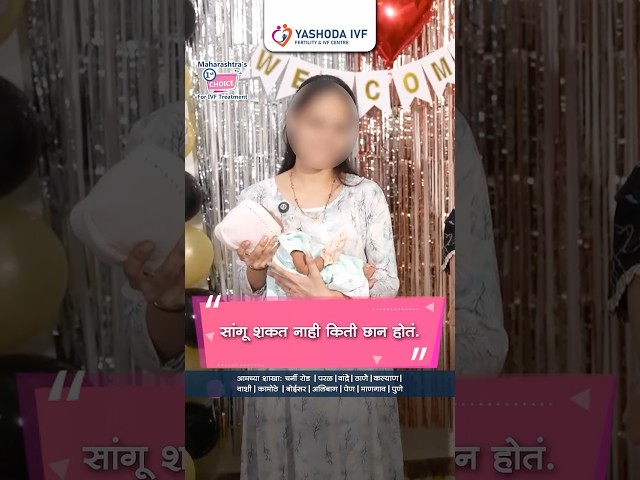
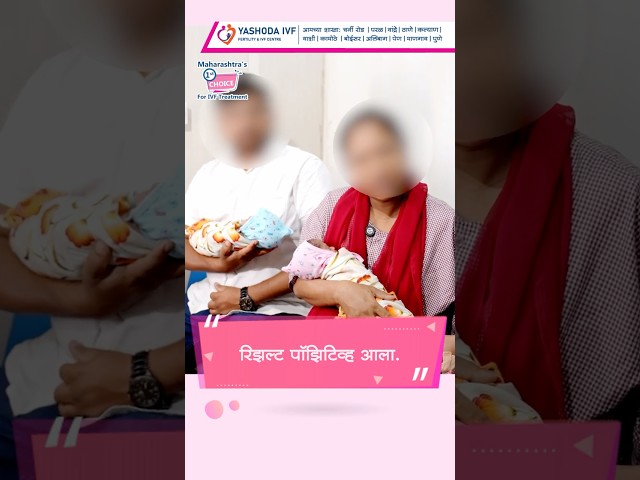
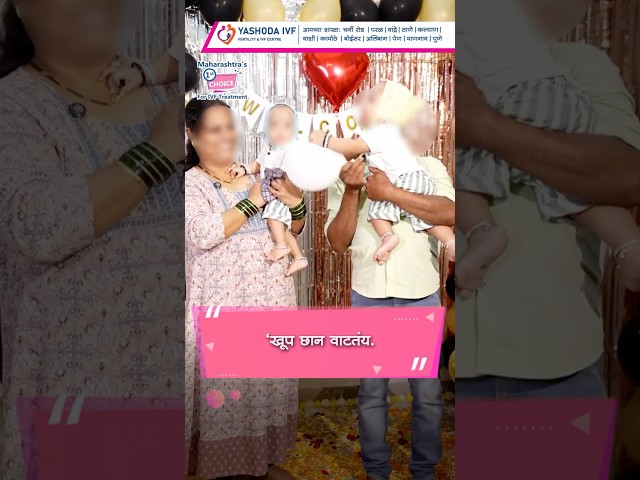
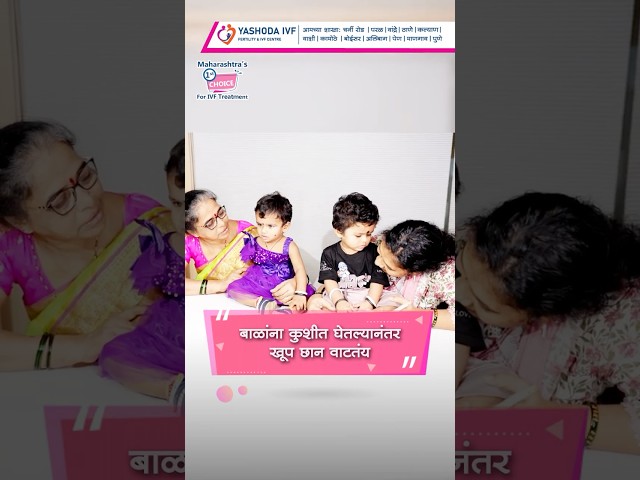
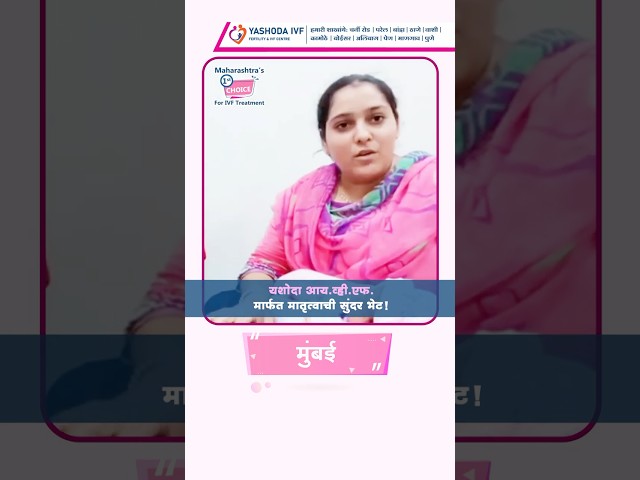
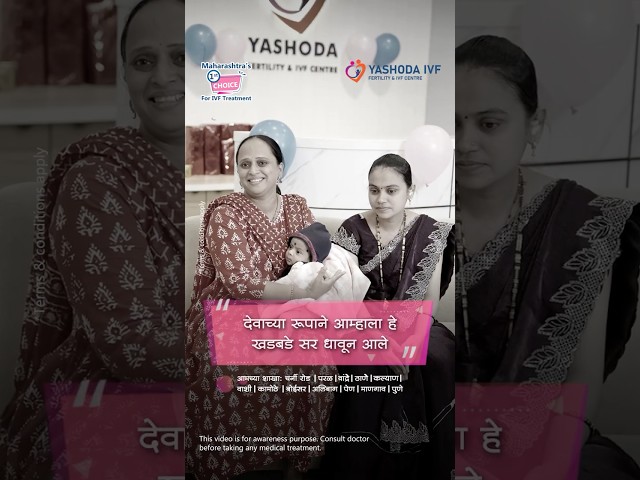

What our patients say about us.
Dr B V khadbade sir, Good hospital facility with experience staff (doctors and sisters) explanation well and good with all good service. Provide satisfied treatment.
Ashwini Pawar
The staff is compassionate and supportive, making patients feel at ease. The doctors are highly skilled, knowledgeable, and truly invested in their patients' well-being.
Drx. Tejaswini Mane
Yashoda hospital is best ivf center, all staff is good and coordinating, best service, Dr explained all thing very nicely, concession in bill part.
Nivedita Manchekar
Happy with All staff and doctors. Everyone is very helpful. Thank you so much for everything to being a part of our joy and happiness.
Nikita Sawant
Had a great experience. I came to take 2nd opinion during my initial days and it was a best decision. The affordability, services and hospitality is too good. Full marks for the nurse, doctor and team at the labour to make me feel alright.
Pavi Mathi
Fertility treatment can feel overwhelming. Here are clear answers to the questions our patients ask most so you feel informed and confident before you even walk through our doors.
Expert guidance and the latest updates in fertility care.
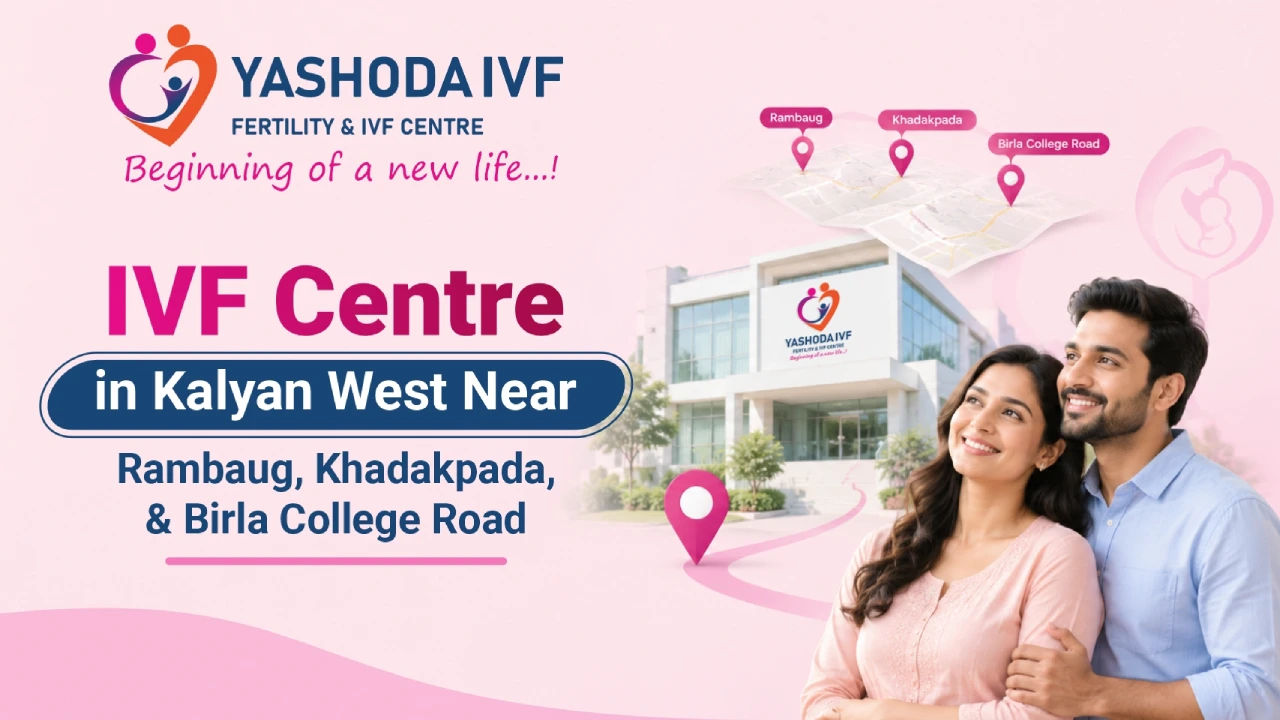
Looking for an IVF centre in Kalyan West? Learn how to choose a clinic, what IUI and IVF involve, and how to reach Yashoda IVF in Rambaug.
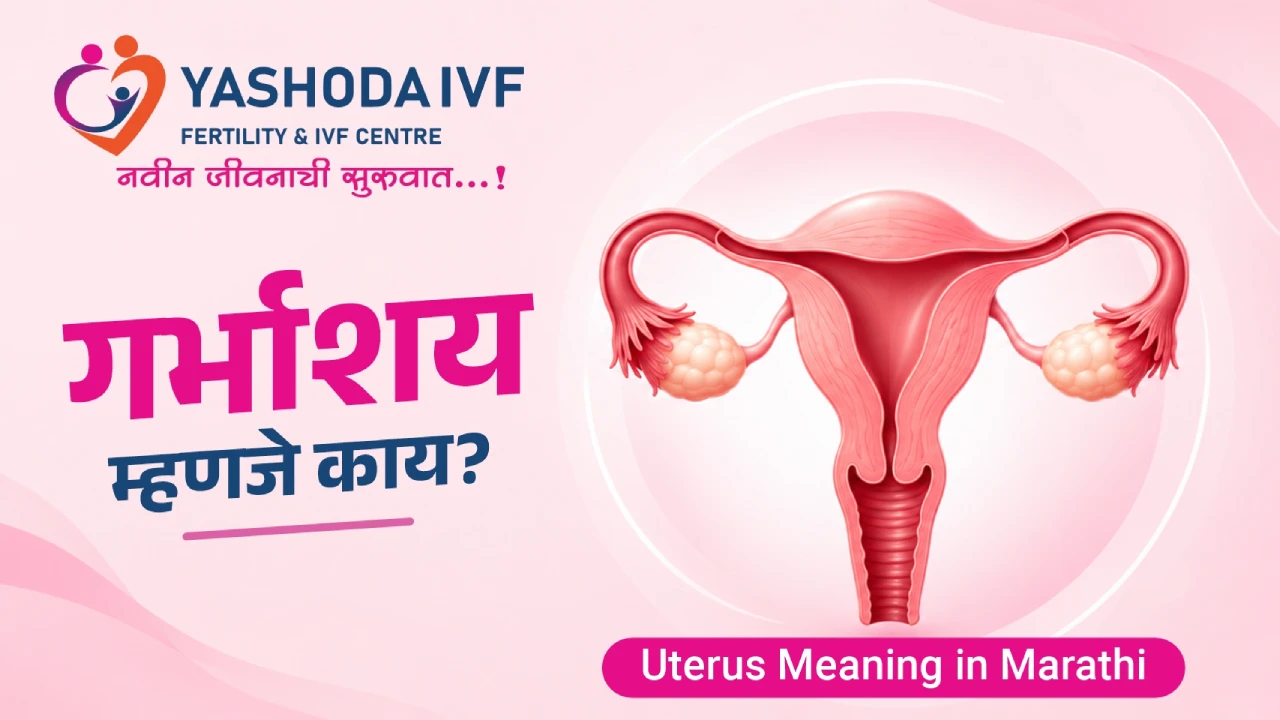
Uterus meaning in Marathi जाणून घ्या गर्भाशय म्हणजे काय, ते कुठे असते, त्याचे काम, सामान्य आजार, लक्षणे आणि गर्भधारणेशी संबंध, सोप्या भाषेत.
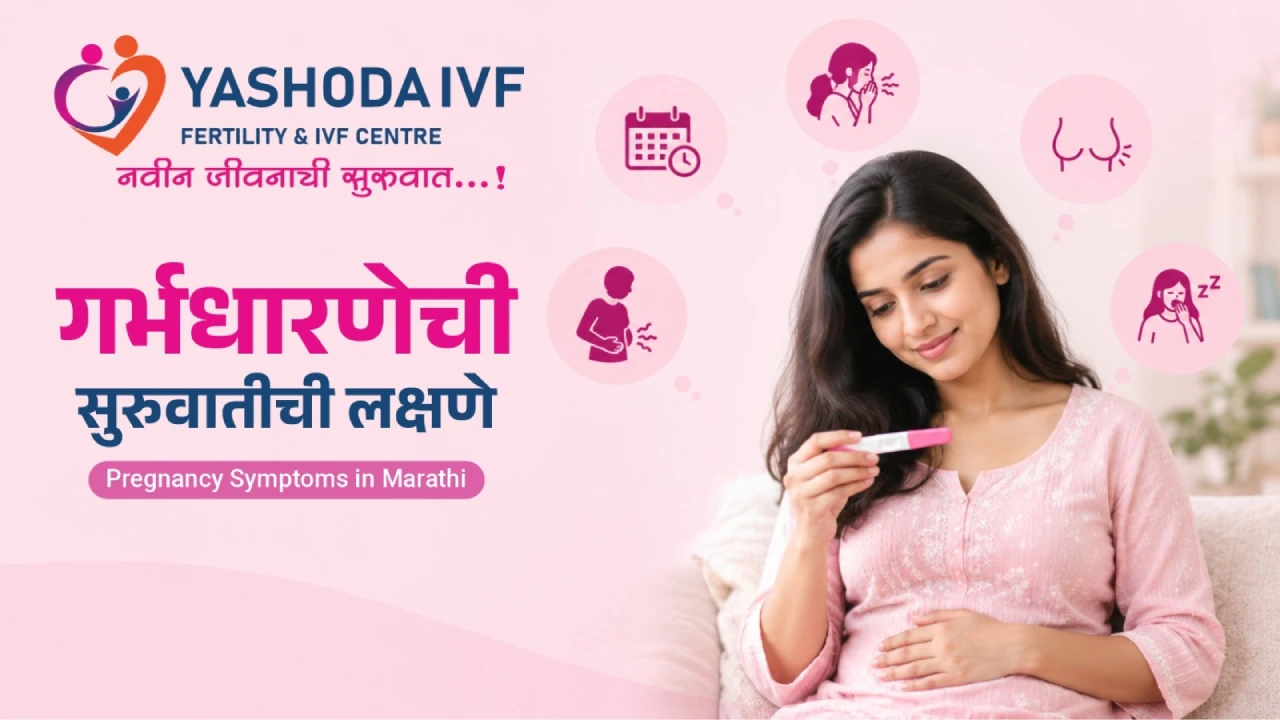
Pregnancy symptoms in Marathi जाणून घ्या गर्भधारणेची सुरुवातीची लक्षणे कोणती, ती कधी दिसतात, टेस्ट कधी करावी आणि डॉक्टरांना कधी भेटावे, सोप्या भाषेत.