Fertility Tips
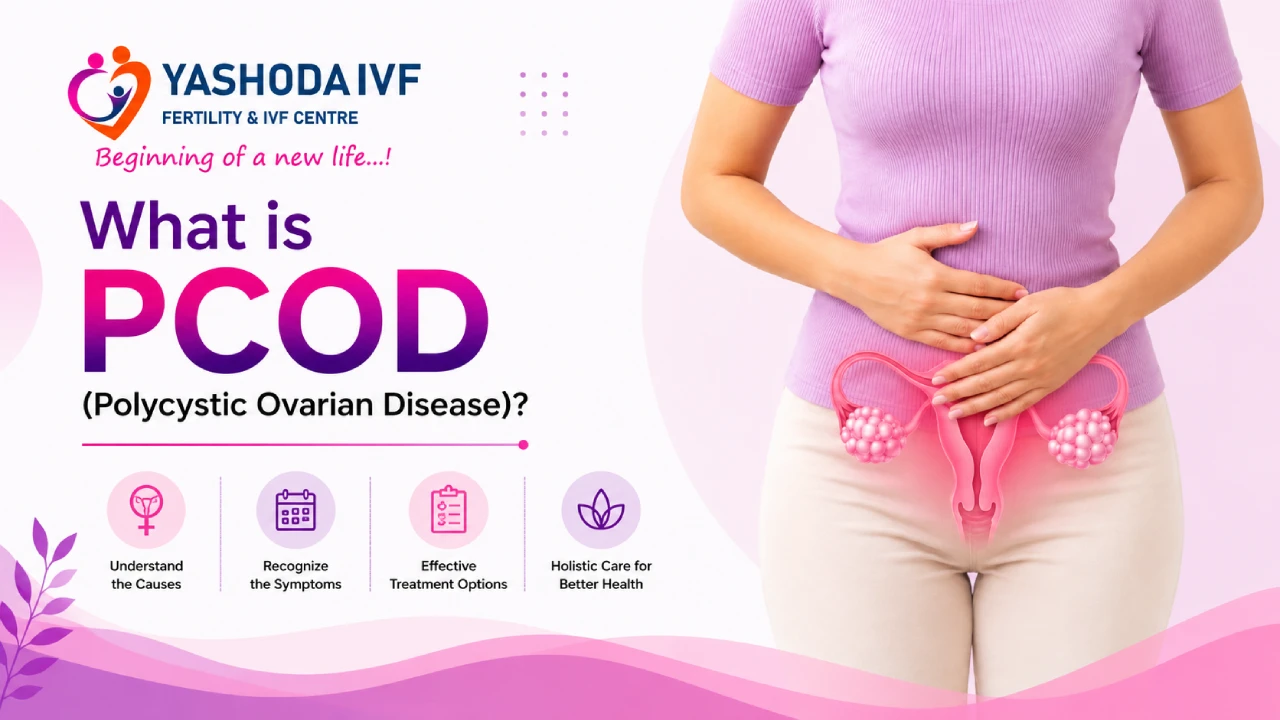
Polycystic Ovary Disease (PCOD), is a common hormonal disorder among women of adult age. It affects the ovaries and causes irregular menstruation cycles, excessive androgen levels, and polycystic ovaries. The overall health and fertility of women can all be severely affected by PCOD.
The combination of genetic and environmental factors leads to PCOD. Hormonal Imbalance, Insulin resistance, Genetic sensitivity, and lifestyle choices such as nutrition and exercise can all contribute to the development of PCOD. Women will face more complications during fertility if PCOD is left untreated.
The symptoms of PCOD vary from woman to woman. Common symptoms include:
Diagnosing PCOD typically involves a complete medical history and physical examination, along with blood tests to measure hormone levels and ultrasound imaging to visualize the ovaries.
Complications of PCOD includes infertility, type 2 diabetes, cardiovascular diseases, and an increased risk of endometrial cancer due to irregular menstrual cycles.
Treatment for PCOD focuses on managing symptoms and addressing underlying hormonal imbalances. Yashoda IVF Fertility and IVF Centre offers comprehensive PCOD treatment options including medications to regulate menstrual cycles, reduce androgen levels, lifestyle changes, and advanced procedures.
A common hormonal disorder called PCOD can have serious effects on a woman's health and fertility. However, with the right treatment and support, women with PCOD can lead fulfilling lives and achieve their reproductive goals. By understanding PCOD causes, symptoms, and treatment options, women can take control of their health and well-being.